
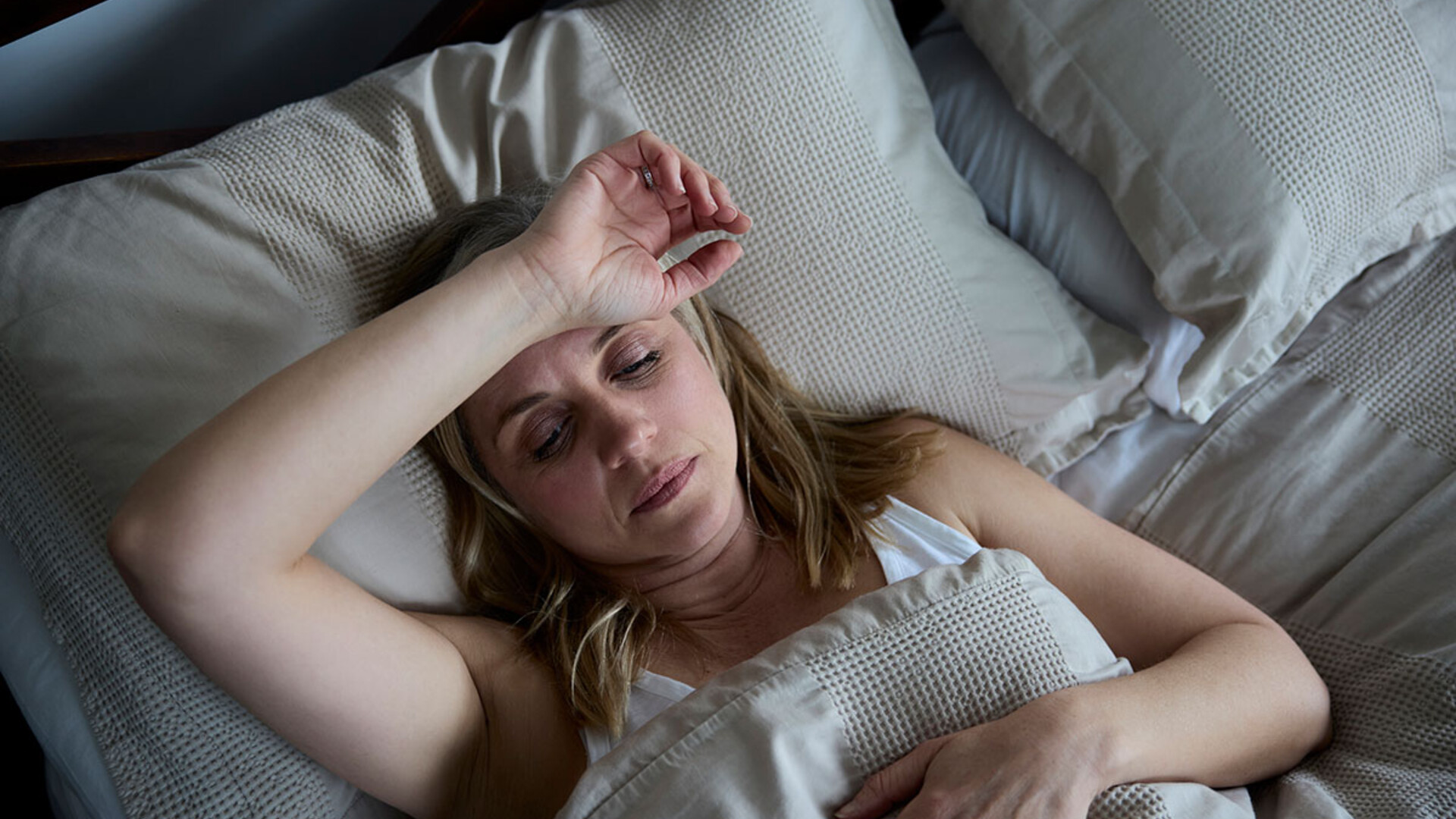
Night Sweats During Menopause: Why They Happen & How to Sleep Cool
Night sweats — the nighttime version of hot flashes — can drench your bedding, disrupt your sleep, and leave you exhausted the next day. About 60% of menopausal women experience them, and they can persist for years. Understanding why they happen is the first step to managing them.
Why This Happens During Menopause
Night sweats are essentially hot flashes that occur during sleep, triggered by the same hormonal mechanism — your brain's thermostat malfunctioning due to estrogen decline.
They tend to be worse at night because your body temperature naturally drops during sleep, making the thermostat more sensitive to disruption.
Cortisol, which should be low at night, can spike due to menopausal hormonal changes, triggering episodes.
Certain medications, foods eaten close to bedtime, and alcohol can worsen nighttime episodes significantly.
Evidence-Based Solutions
Optimize Your Sleep Environment
Keep your bedroom at 65-68°F, use moisture-wicking sheets and pillows, and consider a cooling mattress pad. A bedside fan provides both cooling and white noise.
Choose the Right Sleepwear
Bamboo and moisture-wicking pajamas draw sweat away from your skin. Keep a fresh set nearby for middle-of-the-night changes.
Avoid Triggers Before Bed
Skip alcohol, caffeine, spicy food, and hot beverages within 3 hours of bedtime. These are the most common nighttime triggers.
Practice Evening Cooling Rituals
A lukewarm (not hot) shower before bed, cooling the wrists and neck with a damp cloth, and sleeping with a frozen water bottle wrapped in a towel near your feet.
Time Your Exercise
Intense exercise too close to bedtime raises body temperature and cortisol. Finish vigorous workouts at least 3-4 hours before bed. Gentle evening yoga is fine.
Try Herbal Support
Sage tea before bed has traditional use for reducing night sweats. Black cohosh and evening primrose oil supplements may also help.
Manage Evening Stress
Cortisol spikes worsen night sweats. A calming evening routine — reading, gentle stretching, meditation — helps keep cortisol low.
Stay Hydrated During the Day
Dehydration worsens hot flashes and night sweats. Drink plenty of water throughout the day, but reduce intake close to bedtime to avoid waking for bathroom trips.
Get the Free Metabolism Guide
Discover the 5 metabolism mistakes women over 40 make — and how to fix them.
Ready for a Complete Reset?
The 7-Day Metabolism Reset addresses all menopause symptoms holistically — from the inside out.
Learn About the 7-Day Reset