Your Gut Is the Missing Piece of Your Menopause Puzzle
What if one of the most powerful tools for managing menopause symptoms was already inside you? Your gut microbiome — the trillions of bacteria living in your digestive tract — plays a direct role in hormone balance, weight management, mood, and inflammation.
And during menopause, this connection becomes critical.
The Estrobolome: Your Gut's Hormone-Processing Center
Scientists have identified a collection of gut bacteria called the estrobolome — microbes that specifically metabolize and regulate estrogen levels. Here's why this matters:
What This Means During Menopause
An unhealthy estrobolome can either:
How Menopause Damages Gut Health
The relationship goes both ways — just as gut health affects hormones, hormonal changes affect the gut:
Free: The 5 Metabolism Mistakes Women Over 40 Make
Get the guide that shows you what actually works—no extreme dieting required.
Get the Free GuideHealing Your Gut to Balance Your Hormones
Step 1: Feed Your Good Bacteria (Prebiotics)
Prebiotics are the fiber that feeds beneficial gut bacteria. Without them, good bacteria starve and harmful bacteria take over.
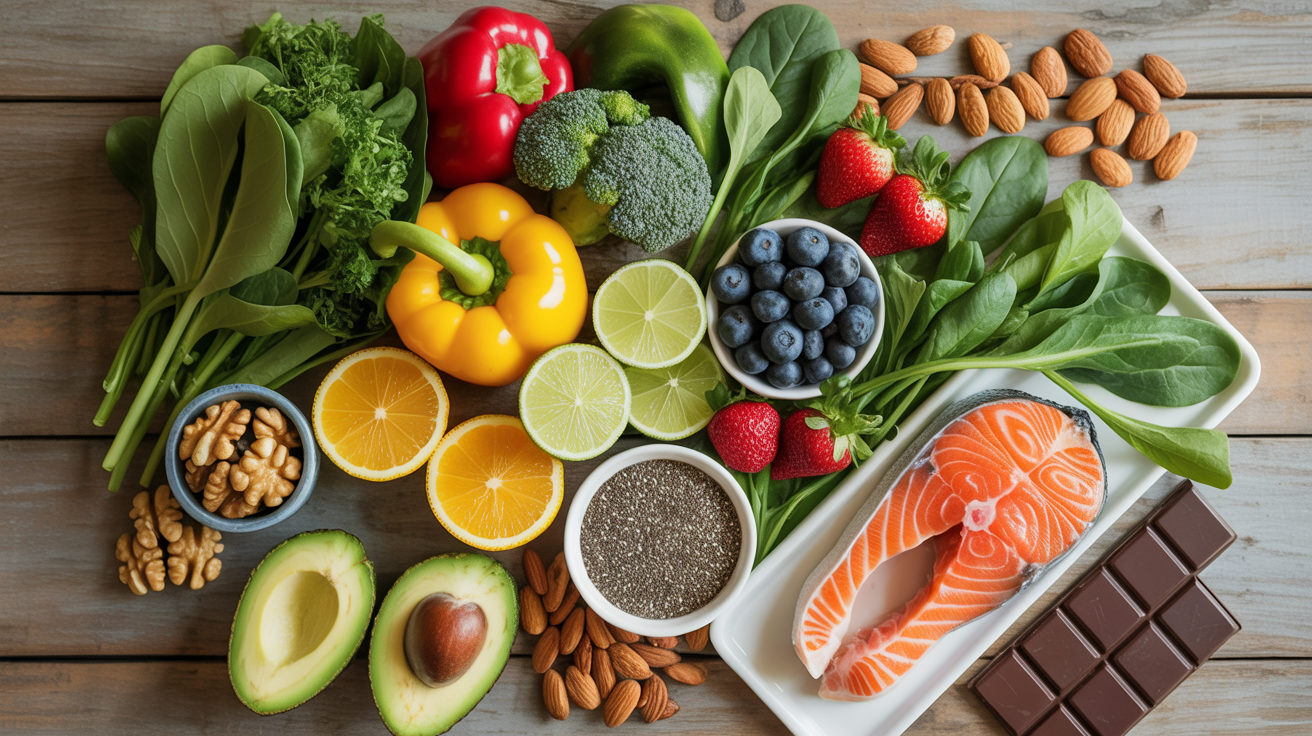
Best prebiotic foods for menopause:
Aim for 25-30g of dietary fiber daily from diverse plant sources.
Step 2: Add Beneficial Bacteria (Probiotics)
Probiotic-rich foods introduce live beneficial bacteria to your gut:
Step 3: Remove Gut-Damaging Foods
These foods disrupt your microbiome and worsen menopause symptoms:
Step 4: Heal the Gut Lining
If you suspect leaky gut (food sensitivities, chronic bloating, autoimmune tendencies), focus on gut-healing foods:
Step 5: Support the Gut-Brain Connection
Your gut produces 90% of your body's serotonin (the "happy hormone") and communicates directly with your brain via the vagus nerve. To support this connection:
The Gut Health Protocol: Your 4-Week Plan
Week 1: Remove
Eliminate processed foods, added sugar, and alcohol. This allows your gut to begin healing.
Week 2: Replace
Add digestive support: apple cider vinegar before meals, bitter greens (arugula, dandelion), and enzyme-rich foods like pineapple and papaya.
Week 3: Reinoculate
Introduce fermented foods daily. Start with small amounts and increase gradually to avoid bloating.
Week 4: Repair
Add gut-healing foods and supplements. Bone broth daily, L-glutamine, and omega-3 supplementation.
The Connection to Weight Loss
A diverse, healthy microbiome is linked to:
Research shows that overweight individuals have less diverse gut bacteria. By improving your gut health, you're creating the internal environment that supports natural weight management.
Start With One Change
You don't have to overhaul your diet overnight. Start by adding one probiotic food and one prebiotic food daily. Within 2-4 weeks, you'll likely notice improved digestion, less bloating, more stable energy, and potentially a reduction in hot flashes and mood swings.
Your gut is where hormone health begins. Feed it well, and it will reward you.

Written by the founder of Menopause Metabolism
Early menopause survivor since age 38 • 20+ years of research and real-life experience

Want More Tips Like This?
Get the free guide and start your metabolism transformation today.
Ready for a Complete Reset?
The 7-Day Metabolism Reset gives you everything you need to transform how you feel in just one week.
Learn More